When to Replace a Pool Pump
Sean Curley • October 20, 2023
How Do You Know When Its Time to Replace the Pool Pump?
Replacing a pool pump is necessary when it becomes inefficient, noisy, or fails to adequately circulate and filter the water in your pool. Here are some signs and guidelines for when to replace a pool pump:
- Age: Pool pumps typically last around 8-10 years. If your pump is older than this, it's a good idea to start thinking about a replacement, even if it seems to be functioning fine.
- Decreased Efficiency: If you notice a decrease in the pump's efficiency, such as reduced water circulation or weaker water flow, it may be time for a replacement. This can lead to poor water quality and inadequate filtration.
- Strange Noises: Unusual or loud noises, like grinding, whining, or screeching, are indicative of mechanical problems. These noises can be a sign that the pump's bearings or motor are failing, and it may be time to replace it.
- Leaking: If your pump is leaking water, it can be a sign of a failing seal, gasket, or housing. Leaks can damage the pump and can also be a safety hazard, so it's essential to address this promptly.
- High Energy Bills: As pool pumps age, they often become less energy-efficient. If you notice a significant increase in your energy bills, it could be due to the pump working harder to maintain water circulation. A newer, energy-efficient pump can save you money in the long run.
- Frequent Repairs: If you find yourself constantly repairing the pump or its components, it may be more cost-effective in the long term to replace the entire pump.
- Inadequate Filtration and Water Quality: If your pool water is consistently cloudy or contains algae, it could be due to a failing pump. Ineffective filtration can lead to poor water quality and more frequent chemical treatments.
- New Pool Technology: If you're upgrading your pool with new technology, such as a variable-speed pump, it may make sense to replace the old pump to take advantage of energy savings and improved control.
- Government Regulations: Depending on where you live, there may be regulations regarding the energy efficiency of pool pumps. If your pump doesn't meet these standards, you may need to replace it to comply with local laws.
- Consult a Professional: If you're unsure whether your pool pump needs replacing, it's a good idea to consult a pool professional or technician. They can assess the pump's condition and recommend the best course of action.
When replacing a pool pump, consider upgrading to a more energy-efficient model. Variable-speed pumps are a popular choice as they allow you to adjust the pump's speed to meet your pool's needs, which can significantly reduce energy consumption and operating costs.
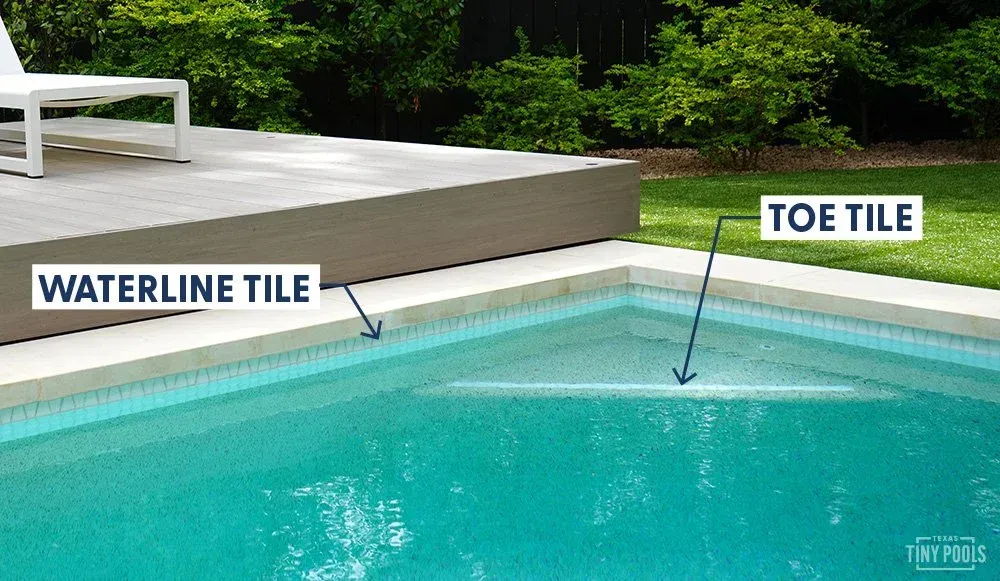
Is water loss normal evaporation, or do you have a leak?

The True Cost of a DIY Oasis
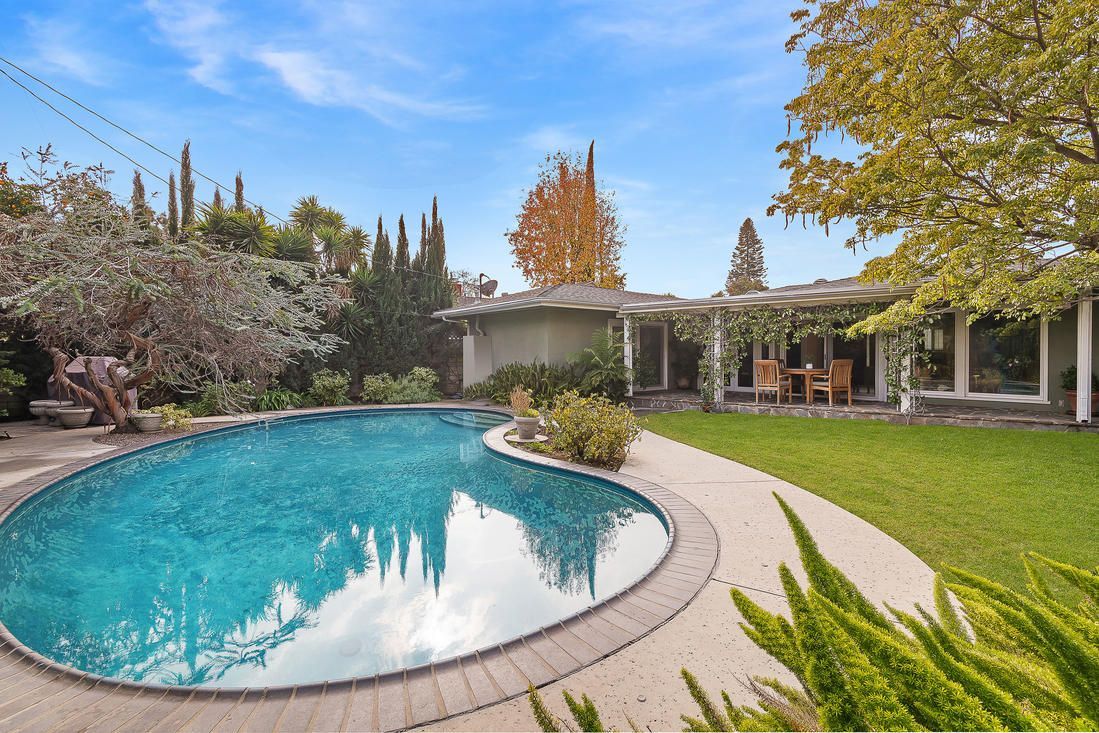
Pool Maintenance Is Still Required in Pasadena Despite Mild Winters

Required Pool Safety Features
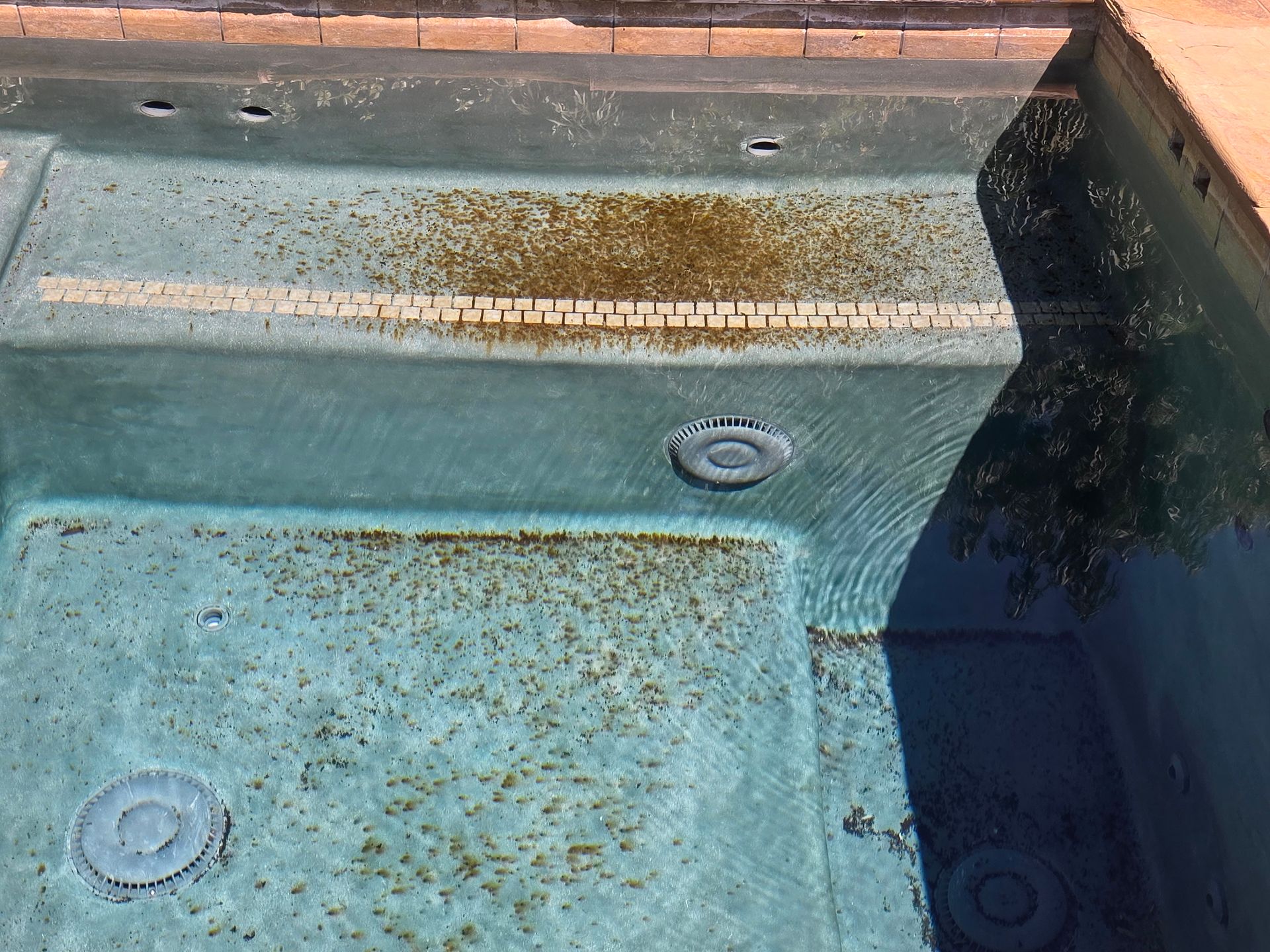
Seasonal Tips For Optimal Maintenance
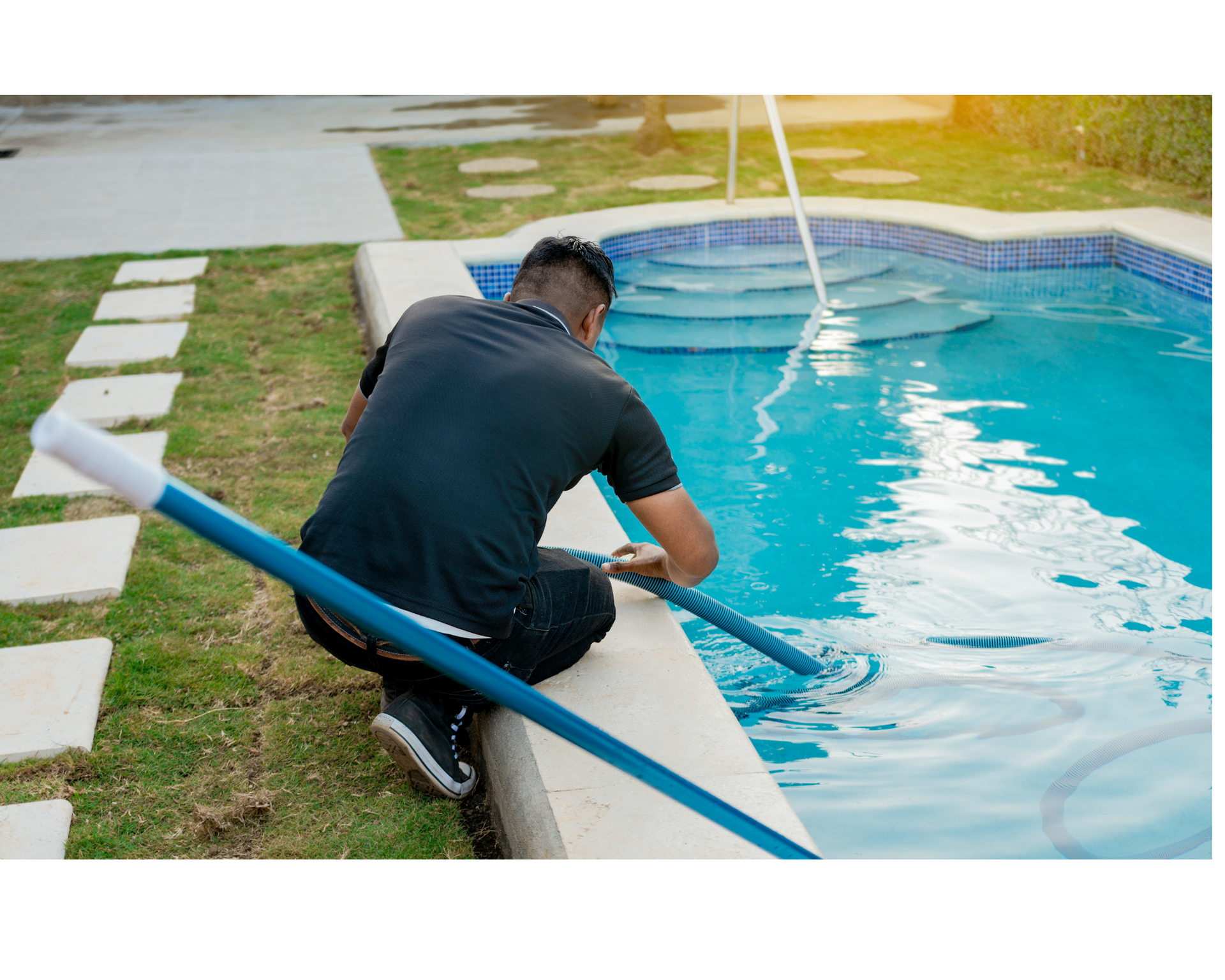
Are there pool cleaning issues in the Pasadena area?
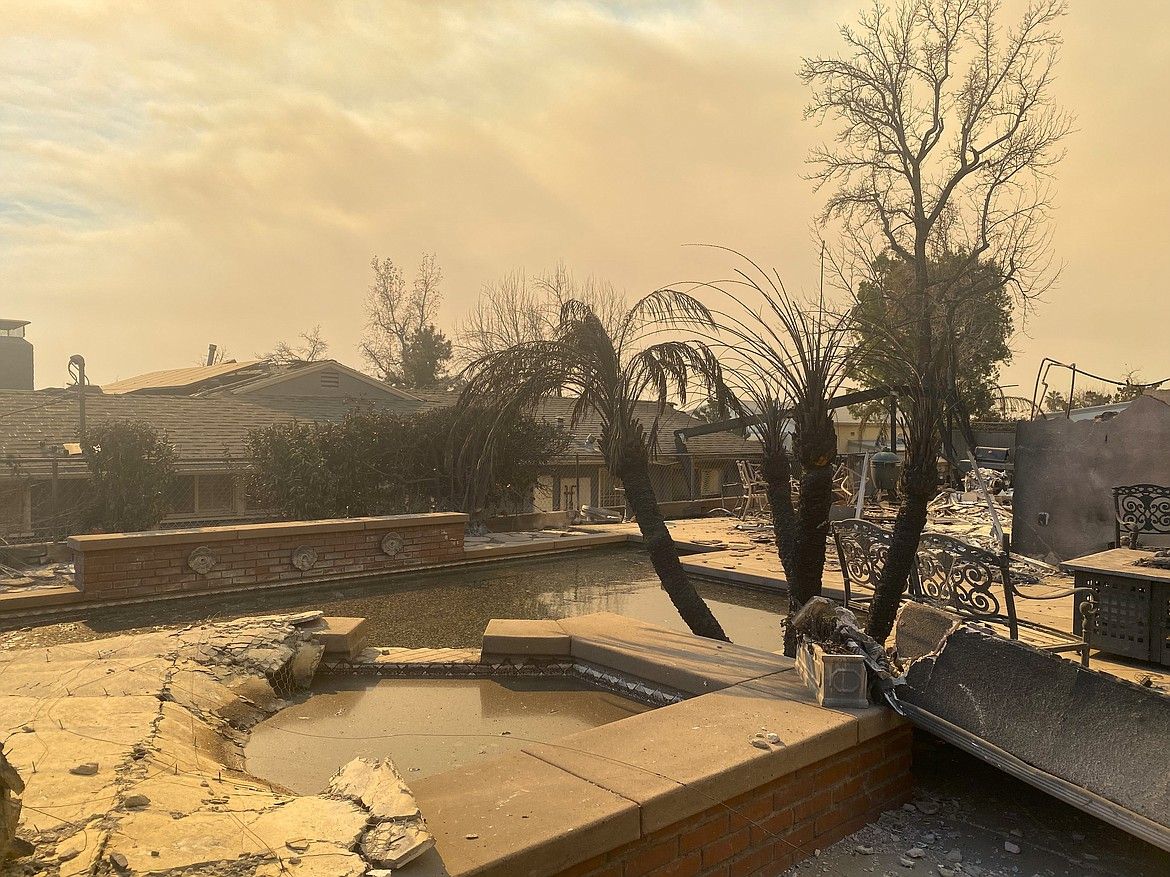
The Fire Affected Area Poses A New Health Threat

Lucky Enough To Still Have A Home And Pool?

A Comprehensive Overview of Essential Maintenance Tasks

How Do You Get Rid of Ducks In Your Swimming Pool?